
Salt & Performance for Masters Athletes
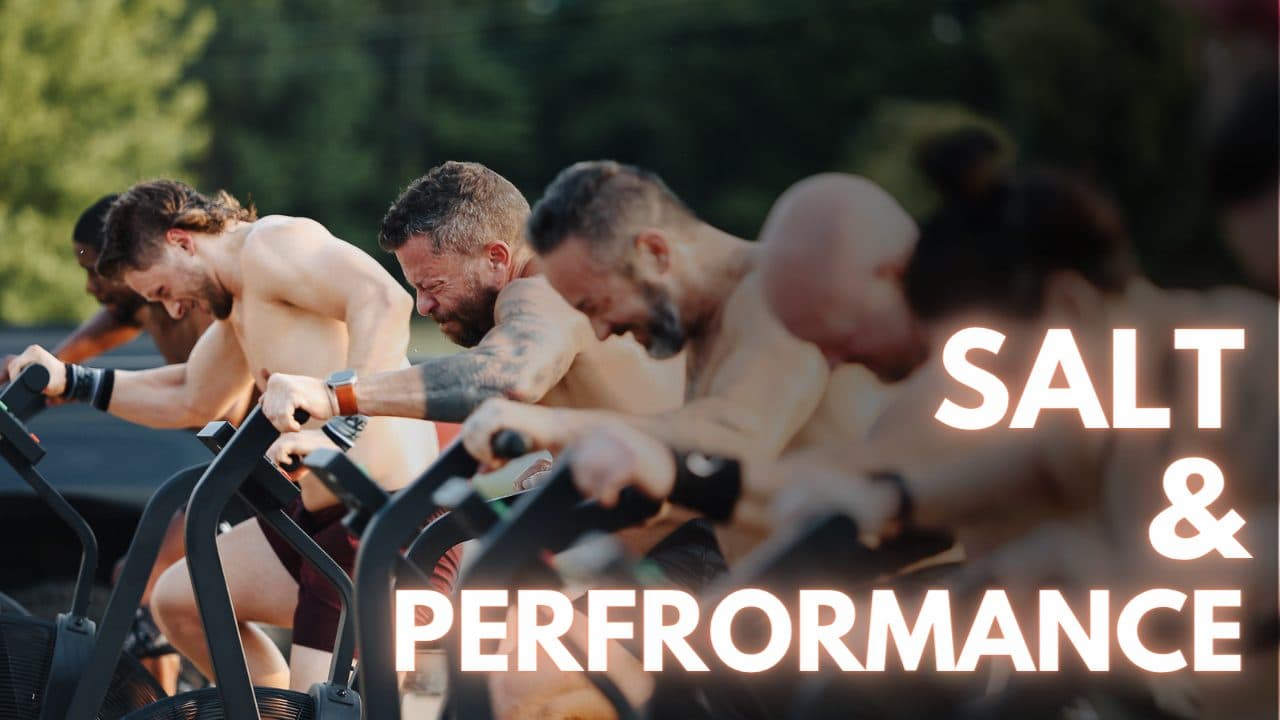
In the world of CrossFit, every advantage counts, especially when it comes to mastering the sport as a mature athlete. One often overlooked yet essential element that can drastically affect our performance is salt. Understanding its function in the body and how to properly incorporate it into our daily routine can help us take our CrossFit performance to the next level.
Why Is Salt Important?
Salt, composed mainly of sodium and chloride, plays a critical role in maintaining the body's fluid balance, transmitting nerve impulses, and contributing to muscle contractions. When we sweat during intense workouts, we lose not just water but also essential electrolytes, including sodium.
The symptoms of low sodium levels, or hyponatremia, can range from muscle cramps and fatigue to more severe symptoms like nausea, headache, and in extreme cases, seizures. Ensuring we replenish the salt we lose during workouts is crucial in keeping our bodies functioning optimally and avoiding these symptoms.
Salt and Athletic Performance
When it comes to athletic performance, salt has been a game-changer. Incorporating more salt into my diet has made a significant difference in my performance, especially during longer, more intense training sessions. It has helped reduce muscle cramps, improved my recovery, and has been critical in maintaining my energy levels during workouts.
Incorporating Salt into Your Routine
When it comes to incorporating salt into our diets, timing is crucial. Consuming a salty snack or beverage about 30 minutes before training can help ensure our sodium levels are up for the upcoming workout. It's also important to replenish salt lost through sweat during and after workouts.
One great way to do this is by using an electrolyte supplement like LMNT, which has a great balance of sodium, potassium, and magnesium – all important electrolytes that can enhance hydration and recovery.
Ensuring Overall Balance
While salt intake is important, it's also necessary to remember that it's just one piece of the puzzle. A balanced diet, proper hydration, adequate sleep, and structured training all contribute to successful performance in CrossFit. Just as we've discussed the importance of proper warm-ups, Zone 2 training, and other aspects in previous posts, salt is another tool in our arsenal for optimal performance,
For Masters Athletes looking to improve their performance in CrossFit, considering their salt intake is a key step. Not only does it play a vital role in many of our body's functions, but it can also significantly impact our performance, recovery, and overall well-being.
Whether you're a seasoned master or just starting your journey, optimizing your salt intake, along with maintaining other aspects of a balanced lifestyle, can help you reach your full potential in the sport of CrossFit.
Frequently Asked Questions
Why is salt important for CrossFit athletes?
Salt is crucial for maintaining fluid balance, transmitting nerve impulses, and aiding in muscle contractions. For CrossFit athletes, especially Masters Athletes, replenishing salt lost during intense workouts can improve performance and recovery.
What are the symptoms of low sodium levels?
Low sodium levels, or hyponatremia, can lead to muscle cramps, fatigue, nausea, headaches, and in extreme cases, seizures. Proper salt intake can help avoid these symptoms.
How can I incorporate salt into my CrossFit routine?
Consuming a salty snack or beverage about 30 minutes before training can help maintain sodium levels. Using electrolyte supplements like LMNT during and after workouts can also be beneficial.
Is salt the only factor to consider for optimal CrossFit performance?
While salt is important, it's just one piece of the puzzle. A balanced diet, proper hydration, adequate sleep, and structured training are also crucial for optimal performance in CrossFit.
What are some recommended electrolyte supplements?
LMNT is a recommended electrolyte supplement that offers a balanced mix of sodium, potassium, and magnesium, enhancing hydration and recovery for CrossFit athletes.